Christian Svg Design, Just Fish, Don’t L: Strategic Design for Faith-Driven Work
When you work with Christian SVG design, you are engaging a visual language that carries conviction, identity, and purpose. The phrase Christian Svg Design, Just Fish, Don’t L may appear cryptic at first glance, but it points to a specific creative niche: the use of the ichthys—the simple fish symbol—as a foundational motif, paired with the imperative “Don’t L.” Whether that “L” stands for limit, label, or lose sight of the message, the core idea is about restraint, intentionality, and focus. For entrepreneurs, creators, and small business owners building faith-aligned brands, understanding how to use design elements like the fish symbol strategically can shape everything from customer perception to operational clarity.
This article explores what Christian Svg Design, Just Fish, Don’t L means in practice, how it supports your goals, and when to rely on it—or step back. You will find planning guidance, realistic use cases, and strategic observations that help you make decisions grounded in purpose rather than trend.
The Strategic Value of a Simple Symbol
The ichthys has been used for centuries as a discreet identifier of Christian faith. In the digital age, it appears in SVG (Scalable Vector Graphics) format across websites, merchandise, social media assets, and print materials. The Christian Svg Design, Just Fish, Don’t L approach emphasizes using that symbol without overcomplicating it. “Don’t L” can be read as a reminder not to limit the symbol’s meaning by cluttering it with extra elements, or not to label it so narrowly that it loses its open, welcoming quality.
For a business owner or creative professional, this restraint is not a limitation—it is a strategic decision. A clean fish icon scales well, renders clearly across devices, and communicates instantly. When you adopt this design philosophy, you signal clarity and confidence. Your audience does not have to decode a busy graphic; they recognize the symbol and immediately connect with the underlying values.
In branding, this translates to faster recognition and stronger recall. If you run a Christian bookstore, a faith-based coaching practice, or a church media team, using a thoughtful SVG fish design can unify your visual identity without requiring explanation. The strategy is simple: let the symbol do the work.
How “Don’t L” Informs Better Creative Decisions
The “Don’t L” component of Christian Svg Design, Just Fish, Don’t L deserves careful unpacking. It can stand for several things, and the ambiguity itself is useful. Perhaps it means “Don’t Limit”—don’t limit God’s reach by confining your design to a single audience or style. Or “Don’t Label”—don’t attach unnecessary categories to a design that should speak universally. Or “Don’t Lose”—don’t lose the original meaning in pursuit of aesthetic trends.
Whichever interpretation fits your context, the principle remains the same: before you add another color, shape, or text element, ask whether it strengthens or dilutes your message. This is a practical decision-making filter. When you are planning a product line or a website refresh, you can test every design element against the question: Does this help the fish communicate faith, or does it distract?
Creativity thrives within constraints. By adopting the Just Fish, Don’t L mindset, you give yourself permission to say no to visual noise. That discipline often results in more professional, more memorable work.
Planning Your Approach to Christian SVG Design
Using Christian Svg Design, Just Fish, Don’t L effectively requires planning. You cannot simply download a fish SVG and drop it into your materials without considering context, format, and audience expectations. Here are the strategic steps to integrate this design philosophy into your workflow.
Identify Your Primary Use Case
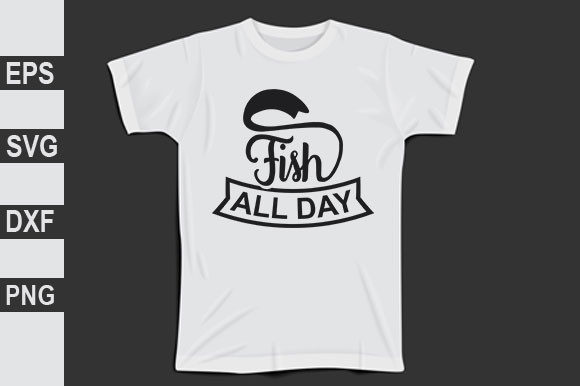
Are you creating a logo? A social media icon? A t-shirt graphic? A website favicon? Each use case demands a slightly different treatment. A logo needs to work in monochrome and color, at small and large sizes. A social media icon might benefit from a subtle gradient or a circular backing. A t-shirt design can be bolder but still respect the “Don’t L” principle by avoiding excessive detail.
Write down the three most important places where you will use the design. Prioritize those. If you try to make one SVG work everywhere without adjustment, you risk compromising quality in certain contexts. Better to create a small family of variations, all rooted in the same clean fish silhouette.
Consider Your Audience’s Visual Literacy
Not everyone will immediately recognize the ichthys or understand its Christian meaning. If your audience includes people outside the faith, the Just Fish, Don’t L approach becomes even more important. A simple fish is less intimidating, more approachable, and easier to ask about. It opens conversations rather than closing them.
For entrepreneurs and educators who work with both Christian and secular audiences, a restrained design signals professionalism. It shows that you respect the viewer enough to let the symbol speak without forcing a message. This builds trust and lowers resistance to your broader content or services.
Test Scalability and Context
One of the technical advantages of SVG is infinite scalability. But a design that looks elegant on a business card may appear sparse on a billboard, and one that works on a website header might get lost inside an app icon. Print a test sample at the smallest and largest sizes you anticipate. Ask someone unfamiliar with the design what they see first. If the fish is not immediately identifiable, or if extra elements compete with it, simplify.
The Christian Svg Design, Just Fish, Don’t L philosophy is a practical reminder that less is often more, especially in scaling scenarios.
Practical Examples of Intentional Use
Let us look at three realistic scenarios where a thoughtful fish SVG can support your goals.
Example 1: A Faith-Based E‑Commerce Brand
You sell journals, mugs, and wall art with Christian themes. Instead of placing a detailed cross or Bible verse on every product, you use a minimalist fish SVG as a recurring brand marker. The symbol appears on the inside cover of journals, the bottom of mugs, and the back of art prints. Customers begin to associate the fish with quality and consistency. They do not feel overwhelmed by heavy messaging—they simply recognize that this brand shares their values.
The Just Fish, Don’t L approach here supports long-term brand building. It does not rely on trends. It creates a quiet signal that loyal customers will come to value.
Example 2: A Christian Educator’s Resource Library
You create printable worksheets and lesson plans for Sunday school. You want to mark your materials so teachers know they are from a trusted source, but you do not want the design to distract from the content. A small, unobtrusive fish SVG in the corner or footer works perfectly. It acts as a seal of origin without competing for attention. This is a case where “Don’t L” means “Don’t Label too loudly”—let the design be present without dominating.
Educators appreciate this restraint because it keeps the focus on learning. Over time, the simple fish becomes synonymous with reliable, well-prepared resources.
Example 3: A Church Media Team’s Social Graphics
Your church posts weekly announcements, sermon clips, and event promotions. You need a consistent visual anchor across different platforms. A clean fish SVG, used as a profile picture or a subtle watermark on graphics, unifies the feed. The “Don’t L” principle prevents you from adding decorative flourishes that date quickly or that misalign with specific sermon series.
This consistency builds recognition across platforms. Visitors who see the fish in Instagram stories and later on the church website immediately know they are in the same community.
When to Use It—and When to Hold Back
Christian Svg Design, Just Fish, Don’t L is not a universal solution. It works best when your goal is to communicate faith with understatement rather than prominence. Consider it for contexts where you want to invite identification rather than demand it. It excels in professional settings, diverse audiences, and permanent branding assets.
However, there are times when a more explicit design is appropriate. If you are creating materials for a retreat or revival event where bold proclamation is the goal, the fish may feel too subtle. In those cases, combine the fish with typography or other symbols, but do so intentionally—knowing that you are temporarily stepping away from the Just Fish philosophy.
The risk of using such a restrained design without clear goals is that it may go unnoticed. If your audience is scanning quickly, a minimalist fish might not register. That is acceptable if your strategy is long-term recognition, but if you need immediate impact, consider a bolder approach. The key is to match the design intensity to the communication context.
Risks of Using Christian SVG Design Without Strategy
Adopting Christian Svg Design, Just Fish, Don’t L without thoughtful planning can lead to a few common pitfalls.
- The design becomes invisible. If you place it in locations where it is never noticed, it fails to serve its purpose. Ensure it is visible enough to be memorable but not so prominent that it overwhelms.
- The symbol is misinterpreted. In some contexts, a fish icon can be confused with secular fishing or marine themes. If you operate outside a Christian audience, you may need to add a minimal contextual cue—like a subtle color association or a supporting wordmark.
- Inconsistency undermines the effort. If you use slightly different fish shapes, colors, or placements across materials, you lose the recognition benefit. Standardize one primary SVG and a small set of approved variations.
- Over-reliance on one symbol. While the fish is powerful, it should not carry your entire brand message alone. Your content, tone of voice, and customer experience must also reflect your values. The design is an entry point, not the full story.
Making the Decision: Is This Approach Right for You?
Before you commit to Christian Svg Design, Just Fish, Don’t L as a core visual strategy, ask yourself the following questions.
- What is the primary goal? If your aim is broad recognition over time, the fish works. If you need immediate, high-impact messaging, consider a richer design.
- Who is your audience? If they are already familiar with Christian symbols, the fish will resonate. If they are new to the faith, it may require gentle contextual support.
- Can you stay consistent? A single SVG used across all platforms builds equity. If you change designs frequently, you lose the benefit of recognition.
- Are you willing to say no? The “Don’t L” part demands discipline. If you are tempted to keep adding elements, this approach may not suit your creative style.
Answering these questions honestly will save you time, money, and design revisions. It will also help you align your visual identity with your operational and communication goals.
Long-Term Value of a Restrained Visual Language
The long-lasting power of Christian Svg Design, Just Fish, Don’t L lies in its adaptability. A simple fish SVG never goes out of style. It does not depend on seasonal trends or font fads. Once you establish it as part of your brand, you can use it for years without appearing outdated. That is a strategic advantage for small business owners and entrepreneurs who do not have the budget for frequent rebranding.
Additionally, a restrained design is easier to protect legally. If you ever trademark your logo, a simple geometric shape is straightforward to define and defend. Busy designs with multiple elements can be harder to enforce.
From a productivity perspective, once your fish SVG is finalized, you can deploy it repeatedly without rethinking the creative each time. This frees up mental energy for other strategic decisions—your product development, customer experience, and content planning.
Approaching the Design Process with Intentionality
If you are ready to create or adopt a Christian Svg Design, Just Fish, Don’t L asset, start with a blank digital canvas and a single question: What is the minimum I need to communicate faith and quality? Draw or choose a fish silhouette that feels balanced—not too realistic, not too abstract. Test it in black on a white background, then reverse it. Check that it is recognizable at 16 pixels and at 600 pixels.
Resist the urge to add a cross inside the fish, a Bible verse underneath, or ornamental swirls around it. Those additions may feel meaningful, but they shift the design from restrained to crowded. If you need supporting elements, add them in separate, secondary positions—not fused into the symbol itself.
Finally, gather honest feedback from people who match your target audience. Ask them what the design communicates. If they see faith without explanation, you have succeeded. If they see something else, adjust.
The discipline of Just Fish, Don’t L is not about being boring. It is about being so clear that your audience receives the message without effort. That clarity is the foundation of trust, and trust is the foundation of every lasting venture.