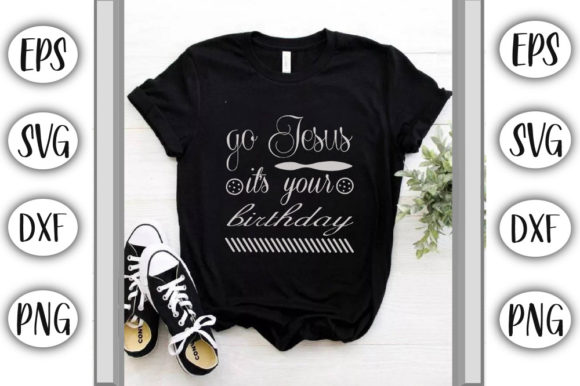
Christmas Design, Go Jesus, It's You: An Evaluation
When selecting a thematic direction for holiday visuals, many creators find themselves balancing aesthetic appeal against deeper meaning. One concept that has emerged in recent years is Christmas Design, go Jesus, It's You, a design philosophy that places the nativity narrative at the center of seasonal decoration. Rather than treating Christmas as a generic winter festival, this approach reframes every visual element—color palette, typography, iconography, and layout—around the idea of Christ's presence as the defining feature of the season. Understanding what this approach entails, and whether it suits your project or audience, requires a careful look at its benefits, limitations, and practical applications.
What Is Christmas Design, Go Jesus, It's You?
At its core, Christmas Design, go Jesus, It's You is a design framework that prioritizes the religious significance of Christmas over secular or commercial motifs. The phrase itself acts as a creative directive: when you're designing for Christmas, let the theme be "Jesus is the focus." This might manifest in imagery such as the manger, star, shepherds, and wise men, but it also extends to more subtle decisions. For instance, a typography choice might echo hand-lettered scripture, or a color scheme might move beyond red and green toward gold, white, and deep blue to evoke reverence rather than festivity alone.
This concept can be applied across various media: print materials for church services, digital graphics for social media campaigns, product packaging for faith-based retailers, or even home décor templates. The unifying thread is that every design decision is filtered through the question: Does this point toward Jesus as the reason for the season? It is not merely about adding a cross or a Bible verse to an otherwise generic design; it is about rethinking the entire visual narrative.
Why Consider This Approach?
There are several reasons someone might gravitate toward Christmas Design, go Jesus, It's You. First, for organizations and individuals who operate within a faith context, this approach ensures authenticity. A church, a Christian school, or a ministry-focused nonprofit may find that generic holiday imagery dilutes their message during a time when their core mission is most relevant. Adopting a design language that explicitly centers Christ can strengthen identity and resonance with their audience.
Second, in a marketplace saturated with snowflakes, reindeer, and gift boxes, a distinct thematic focus can help a brand stand out. When a design consistently communicates a clear spiritual message, it attracts viewers who are seeking that specific meaning. This can be particularly valuable for content creators, authors, or product designers who serve a niche audience looking for resources that align with their faith.
Third, there is an emotional and psychological dimension. Many people experience Christmas as a time of reflection, longing, or hope. A design that explicitly references the incarnation narrative can tap into those deeper feelings more effectively than generic cheer. For viewers who share that worldview, the design feels personal and meaningful rather than generic and transactional.
Benefits and Strengths
One of the primary benefits of Christmas Design, go Jesus, It's You is clarity of purpose. When every element serves a central theological idea, the design gains cohesion. There is less risk of visual clutter or mixed messages because the theme is singular and strong. This makes it easier for viewers to immediately understand the intent behind the design, which can increase engagement and recall.
Another advantage is emotional depth. Secular Christmas designs often rely on nostalgia, warmth, or excitement. While these are effective, they can feel shallow to audiences seeking a deeper resonance. A design rooted in the nativity story can evoke awe, gratitude, and contemplation—emotions that are harder to achieve with generic imagery. For example, a simple silhouette of a manger with a soft light source can convey more profound meaning than a bustling Santa scene.
Additionally, this approach lends itself to timelessness. Trends in holiday design shift: one year it is minimalist Scandinavian, the next it is maximalist Victorian. But the visual vocabulary of the nativity has remained relatively stable for centuries. A design that draws on that tradition can feel classic and enduring, not tied to a particular season's fad.
Tradeoffs and Considerations
Despite its strengths, Christmas Design, go Jesus, It's You is not without tradeoffs. The most obvious limitation is audience reach. If your target market includes people from diverse religious backgrounds or secular perspectives, a design that is explicitly Christian may alienate or exclude some viewers. In a commercial context, this can reduce appeal and limit sales. For a public-facing campaign, it may provoke criticism or be perceived as exclusionary.
Another consideration is the risk of being perceived as clichéd or predictable. If the design leans too heavily on familiar symbols—a manger scene, a star, a cross—without fresh visual thinking, it can feel rote rather than inspired. The challenge is to honor the tradition while bringing something aesthetically new to the table. This requires creative effort and a willingness to experiment within a defined framework.
There is also a practical consideration: sourcing or creating assets that align with this theme may be more difficult. Stock photography and pre-made templates often favor secular imagery. Finding high-quality nativity illustrations, icons, or fonts that are both beautiful and theologically appropriate may require custom work or a more extensive search, which can increase time and cost.
Situations Where It Is a Strong Fit
Christmas Design, go Jesus, It's You works best in contexts where the primary audience already shares or is open to the underlying worldview. This includes:
- Church communications: bulletins, sermon slides, event posters, and social media for Advent and Christmas services.
- Faith-based organizations: nonprofits, schools, and ministries that want their holiday materials to reflect their mission statement.
- Christian retailers: product packaging, website banners, and email campaigns for stores selling Bibles, gifts, or decor with a spiritual focus.
- Personal projects: family Christmas cards, home decorations, or gift tags for individuals who want their celebrations to center on faith.
- Content creators: bloggers, podcasters, or YouTubers who produce Christmas content for a Christian audience and need cohesive branding.
In these settings, the design approach reinforces the existing values of the audience, deepening connection and trust. It signals that you understand their priorities and are not just using the holiday as a marketing opportunity.
When Alternatives May Be Worth Considering
There are scenarios where a different design approach may serve the user's goals more effectively. Consider alternatives if:
- Your audience is diverse or secular. If you are designing for a broad consumer base, a more inclusive theme—such as winter wonderland, family togetherness, or gratitude—may resonate more widely.
- Your brand identity is not faith-based. Adopting a explicitly religious design frame could confuse customers who associate your brand with other values, like innovation, sustainability, or luxury.
- You need maximum commercial flexibility. Stock imagery and templates for secular Christmas are abundant and inexpensive. Creating custom religious assets may stretch your budget or timeline.
- Your goal is to appeal to children. While nativity scenes can be engaging for children, many kids are more drawn to playful, colorful, character-driven imagery. A purely religious design may not capture their attention as effectively.
- You are targeting a multi-cultural market. In regions or contexts where Christmas is celebrated primarily as a cultural rather than religious holiday, a secular design is more likely to be welcomed by all.
In these cases, Christmas Design, go Jesus, It's You may still have a place as an option within a larger campaign, but it should not be the sole approach. Offering a choice—such as a religious-themed version alongside a more general one—can be an effective compromise.
Practical Decision-Making Insights
To determine whether Christmas Design, go Jesus, It's You aligns with your needs, start by clarifying your primary objective. Ask yourself: What is the intended outcome of this design? If the goal is to inspire worship, deepen faith, or connect with a community that shares your beliefs, then this approach is likely a strong match. If the goal is to maximize reach, drive broad sales, or create a universally appealing holiday atmosphere, a more inclusive theme may be more effective.
Next, consider your audience's expectations. If you are designing for a church congregation, they will likely expect and appreciate a Christ-centered design. If you are designing for a general retail audience, it may be wise to test a small segment before committing fully. Surveys, focus groups, or A/B testing can reveal whether the religious theme enhances or hinders engagement.
Also evaluate your creative resources. Do you have access to designers, illustrators, or photographers who can produce high-quality religious imagery? If not, you may need to invest in custom work or seek out specialized stock libraries. Budget and timeline should factor into your decision.
Finally, think about longevity. A design that is deeply tied to a specific religious narrative may feel out of place if your brand later shifts direction. However, for organizations with a stable identity, this continuity can actually strengthen brand recognition over time—audiences come to associate your visual style with the values you stand for.
Aligning with Your Goals
Ultimately, Christmas Design, go Jesus, It's You is a tool, not a mandate. It offers a clear creative constraint that can produce meaningful and memorable work when used in the right context. For those whose personal or organizational identity is rooted in the Christian faith, it provides a way to ensure that holiday communications are not just seasonal but also spiritual. For those outside that context, it remains a specialized option that may not serve broader objectives.
The key is to evaluate honestly. Do not adopt this approach simply because it seems more "authentic" or "meaningful" in an abstract sense. Instead, judge it by its fit with your specific audience, your brand identity, and your communication goals. When the match is right, the results can be powerful. When it is not, the design may feel forced or out of place. By weighing the factors outlined here, you can make an informed choice that serves both your message and your audience well.