I Run on Cupcake and Jesus: How a Sweet Tooth and Faith Fuel Real Life
You’ve seen the phrase on mugs, T-shirts, or maybe a friend’s Instagram bio. I Run on Cupcake and Jesus sounds playful at first, but for many people it captures something genuine. It’s a lighthearted way of saying that joy and faith are your two main energy sources. And if you’ve ever tried to power through a busy week on coffee and willpower alone, you know how appealing that combination sounds.
Let’s talk about what this phrase really means in daily life—not as a slogan, but as a practical approach to how you work, create, connect, and recharge.
What Does “I Run on Cupcake and Jesus” Actually Mean?
At its core, I Run on Cupcake and Jesus is a personal motto that blends two deeply human sources of fuel: simple pleasures and spiritual grounding. The cupcake represents the small, joyful indulgences that make tough days bearable—maybe it’s a pastry, a coffee treat, or any little reward you give yourself. The Jesus side points to faith, prayer, community, and the belief that you’re not doing life alone.
People use this phrase to signal that they take their faith seriously but don’t take themselves too seriously. It’s honest about the need for both grace and sprinkles. And it resonates across many settings because everyone, regardless of background, understands the need for sustenance that goes beyond calories.
Where You’ll See This Phrase in Action
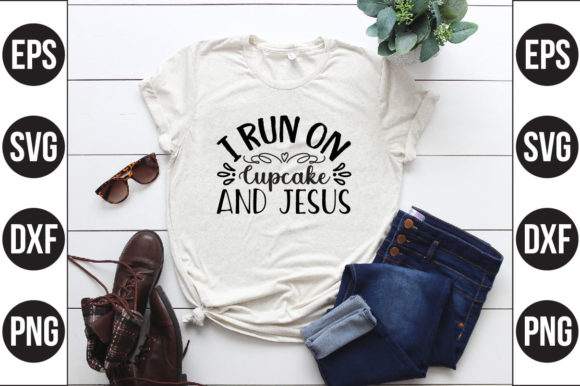
You might encounter I Run on Cupcake and Jesus on a handmade sign in a home bakery, stitched onto an apron, or printed on a notebook at a church retreat. It shows up in places where people are doing real work—raising kids, building businesses, teaching classes, or leading communities—and they need a reminder to stay grounded and stay human.
Here are some of the most common scenarios where this phrase feels less like a joke and more like a mission statement.
Home Bakers and Cottage Food Entrepreneurs
If you run a small baking business from your kitchen, you know that every batch of cupcakes involves planning, cleanup, late nights, and a lot of prayer that the frosting holds up. Many cottage bakers use I Run on Cupcake and Jesus as a brand tagline because it perfectly describes their operation. They rely on faith to sustain them through early mornings and demanding customers, and they rely on their own baked goods (and maybe a sample or two) to keep morale high. It’s not just a slogan—it’s a realistic description of how they get through a holiday rush.
Christian Bloggers and Content Creators
Creators who write about faith, family, or lifestyle often adopt this phrase as a signature. It helps them connect with an audience that shares their values. A blogger might use I Run on Cupcake and Jesus in a sidebar bio or as a recurring theme in posts about self-care, parenting, or creative burnout. It signals that they understand the tension between wanting to do meaningful work and needing a break—preferably with something sweet. For content creators, this phrase can become a shorthand way of saying, “I’m honest about my limits and my sources of strength.”
Everyday Use Cases Across Different Roles
This phrase isn’t just for bakers and bloggers. It fits a wide range of personal and professional situations. The key is that it works best when you lean into both parts—not just the humor, but the sincere reliance on faith and the willingness to enjoy small pleasures.
For Freelancers and Solopreneurs
Freelancers know the grind of juggling multiple clients, inconsistent income, and the loneliness of working alone. Having a motto like I Run on Cupcake and Jesus can serve as a mental anchor. When a project falls through or a client is demanding, you remind yourself that your worth isn’t tied to your output. You take a break, grab a treat, and pray for patience. Many freelancers have shared that this simple mindset shift reduces their anxiety. It gives them permission to pause without guilt.
For example, a graphic designer might keep a small sign with the phrase near their desk. When they feel overwhelmed, they step away, eat something enjoyable, and spend a few minutes in prayer or quiet reflection. They return to their work refreshed. It’s not about avoiding hard work—it’s about sustaining it over the long haul.
For Parents and Homeschool Educators
Parenting, especially homeschooling, is a high-demand role that requires endless patience and creativity. Many parents joke that they survive on coffee and grace, but I Run on Cupcake and Jesus captures the same idea with a bit more whimsy. A mother or father managing a household might use this phrase as a reminder to celebrate small victories—like finishing a math lesson or getting through a difficult conversation—with a treat and a prayer of thanks.
In practice, this could look like baking cupcakes together with kids as a reward for a good week, while also teaching them about relying on faith during hard moments. The phrase becomes a family inside joke and a real coping strategy rolled into one.
For Church Volunteers and Ministry Leaders
Anyone who serves in a church—whether leading youth group, organizing events, or teaching Sunday school—knows that the work is rewarding but exhausting. Volunteers often run on spiritual fuel and whatever snacks are left in the fellowship hall. I Run on Cupcake and Jesus is almost too accurate for this crowd. It acknowledges that ministry involves both deep faith and very human needs for energy, encouragement, and yes, sugar.
A youth leader might use the phrase on a team T-shirt to build camaraderie. It lets volunteers laugh together about their shared reliance on coffee, cupcakes, and prayer. It also opens conversations about burnout and self-care within a faith context.
How Different Users Benefit in Different Settings
The beauty of I Run on Cupcake and Jesus is that it adapts to the user. The cupcake part can be literal or symbolic. The Jesus part is about genuine faith. Together, they create a balanced approach to daily challenges.
In a professional setting, a small business owner might use the phrase internally to keep team morale up. It’s not a corporate slogan, but it can become part of the culture—a reminder to celebrate wins with treats and to support each other through prayer or encouragement. In a digital setting, a podcaster might sign off with the phrase, giving listeners a memorable tag that reinforces their brand’s warmth and authenticity.
In educational settings, a Christian school teacher could use the phrase in a classroom newsletter to let parents know their child’s teacher is human too. It builds rapport. In lifestyle settings, someone might embroider the phrase on a pillow for their cozy reading nook. It turns a motto into a daily visual cue to slow down and savor life.
What to Consider Before Adopting This Phrase for Yourself or Your Brand
If you’re thinking about using I Run on Cupcake and Jesus on a product, a social media profile, or as a personal mantra, there are a few things worth considering.
Know your audience. This phrase is clearly faith-based. It works well in communities that share or respect Christian values. If you’re using it in a public or secular context, be aware that it will signal your spiritual perspective. For many people, that’s exactly what they want. But if you’re trying to appeal to a broad, non-religious audience, it might limit your reach. That’s not a problem—just a decision to make intentionally.
Consider the tone. The phrase is playful. That’s part of its appeal. But if you’re in a serious or high-stakes industry, it might not fit. A funeral home director or a financial planner, for example, would probably choose something more subdued. On the other hand, a wedding baker, a children’s book author, or a lifestyle coach could embrace it fully.
Think about authenticity. The phrase works best when both parts are genuine. If you don’t actually enjoy baking or sweets, the cupcake side might feel forced. And if faith isn’t a central part of your life, the Jesus half could come across as hollow. People can tell when a motto is just marketing. The most powerful uses of I Run on Cupcake and Jesus come from people who really do rely on both.
Consider where you’ll use it. This phrase shines in informal, personal, and community-focused spaces. It’s great for Etsy shops, personal blogs, church groups, and social media. It’s less suited for corporate websites, formal proposals, or professional certifications. Match the medium to the message.
Real Outcomes from a Simple Phrase
When someone adopts I Run on Cupcake and Jesus as a guiding line, the outcomes often show up in subtle but meaningful ways. A baker might feel less pressure to be perfect because she’s reminded that her work is a gift, not a test. A freelancer might actually take a real lunch break instead of eating at their desk. A parent might laugh off a small disaster instead of spiraling into frustration.
The phrase doesn’t solve problems by itself. But it reframes how you approach them. It normalizes the idea that you need both spiritual strength and small earthly pleasures to keep going. And in a culture that often tells you to hustle harder and rely only on yourself, that’s a refreshing counterpoint.
For Small Business Owners and Marketers
If you run a faith-based business or a creative side hustle, this phrase can become a memorable brand element. A bakery could use I Run on Cupcake and Jesus on packaging, tote bags, or order inserts. It builds connection with customers who share the same values. A marketer might use it in an email signature or as a personal brand tag in online communities. It’s a conversation starter. People remember it.
For Educators and Hobbyists
A Sunday school teacher might use the phrase in a classroom craft project. A scrapbooker could feature it on a layout about favorite things. A podcaster might use it as a sign-off for episodes about joy and faith. The applications are only limited by how you personally connect with the two elements.
Final Thoughts on Fueling Life the Real Way
I Run on Cupcake and Jesus isn’t a productivity hack or a wellness trend. It’s a reminder that you’re allowed to need both comfort and conviction. You can work hard and still smile. You can have deep faith and still enjoy a sprinkle-covered treat. The phrase works because it’s honest about human limits and honest about divine grace.
Whether you stitch it on an apron, write it in a journal, or just whisper it to yourself on a tough Tuesday, it’s a small anchor for a full life. And if you ever need a reason to slow down, eat something sweet, and say a grateful prayer—you already have one.