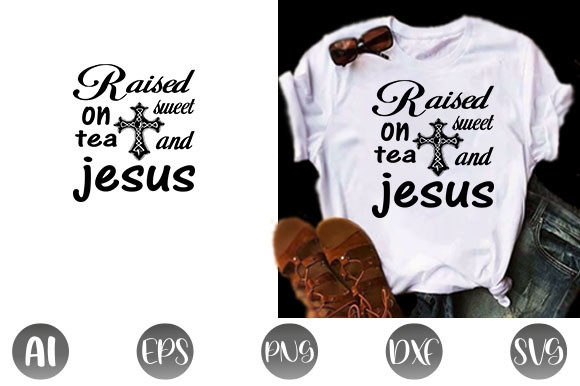
I Run on Hot Tea and Jesus
Some statements are more than words on fabric. They’re declarations of identity, fuel sources, and conversation starters all at once. I Run on Hot Tea and Jesus does exactly that—it names the two sustaining forces that keep someone going day after day. Whether you’ve seen it on a friend’s T-shirt, scrolled past it on a marketplace, or are considering one for yourself, this design carries weight far beyond its simple layout.
At first glance, it reads like a personal motto. But look closer, and you’ll see a piece of creative real estate that can be adapted, repurposed, and reimagined across formats, audiences, and goals. For creators, marketers, small business owners, and anyone looking to connect with a like-minded audience, this shirt isn’t just apparel—it’s a lens into a lifestyle.
What Makes This Message Resonate
The phrase works because it blends two specific anchors: a daily ritual and a spiritual foundation. Tea drinkers know the feeling of that first warm sip grounding the morning. People of faith understand the quiet strength that comes from a centered belief. Together, they form a complete picture of how someone navigates their day—not on caffeine alone, not on platitudes alone, but on a combination of comfort and conviction.
That dual appeal is what makes the design so versatile. It isn’t narrow. It doesn’t preach. It simply states what fuels the wearer, and that invites a natural response: Me too, or Tell me more. For anyone in the business of building community—bloggers, educators, freelancers, or entrepreneurs—that kind of open-ended identifier is gold.
Ways Creators and Designers Can Build On This Idea
If you’re a designer or artist looking to develop your own line of apparel or merchandise, I Run on Hot Tea and Jesus offers a strong foundation. The core message can branch into a full collection. Consider these directions:
Typography-Driven Variations
The simplest approach is to let the words do the work. Experiment with serif fonts that feel classic and grounded, or hand-lettered scripts that add warmth and personality. You can place the phrase on a clean white tee for a minimalist look, or use a vintage-wash fabric with slightly distressed lettering for a worn-in, honest feel. The key is matching the typography to the tone you want your audience to feel.
Visual Accents That Complement the Message
Adding a small illustration can elevate the design without overwhelming it. A delicate tea cup with steam curling upward, paired with a subtle cross or a simple leaf motif, reinforces both halves of the statement. These visual cues help the shirt read quickly in a crowded feed or on a rack, making it more likely to stop a browser’s scroll.
Color Palette Choices
Think beyond black and white. Soft sage greens, warm clay tones, or deep navy blues can give the shirt a lifestyle feel that fits into everyday wardrobes. Seasonal drops—like a cozy burgundy for fall or a fresh mint for spring—keep the design relevant and collectible.
How Bloggers and Content Creators Can Use This Theme
For bloggers, podcasters, or YouTubers, I Run on Hot Tea and Jesus can be more than a product—it can be a content pillar. Use it as a series title for posts about morning routines, faith practices, or small rituals that build resilience. Here are a few concrete ideas:
- Morning routine deep dives: Share your actual tea-making process, the prayers or meditations you pair with it, and how that combination shapes your productivity.
- Guest features: Invite other creators to share what their “hot tea and Jesus” equivalent is—whether it’s coffee and scripture, matcha and meditation, or chai and journaling.
- Merchandise as a community badge: Offer a limited run of shirts to your most engaged followers. When they wear it, they become walking billboards for your brand’s values.
This approach works because the shirt isn’t just a piece of merchandise. It’s a symbol that belongs to a shared experience. And that’s the kind of thing people want to be part of.
Adapting the Concept for Different Audiences and Platforms
Not every audience will connect with the religious half of the message, and that’s fine. The beauty of this design is that it can be adapted by tone alone. For a more broadly spiritual audience, you might frame it as I Run on Hot Tea and Grace or I Run on Hot Tea and Gratitude. For a secular creative audience, the second half can be replaced with something equally grounding: I Run on Hot Tea and Deadlines, I Run on Hot Tea and Good Books, or I Run on Hot Tea and Early Mornings.
Each variation keeps the core structure intact while shifting the emotional resonance. That gives you a template you can apply across niches without reinventing the wheel. If you’re an educator, you might create a version for fellow teachers: I Run on Hot Tea and Patience. If you’re a freelancer, you might make one for your coworkers: I Run on Hot Tea and Deadlines. The formula is repeatable, and each version speaks directly to its audience.
Practical Tips for Small Business Owners and Entrepreneurs
If you’re selling a product like this, clarity and consistency matter more than cleverness. Keep these guidelines in mind:
- Quality of the blank: The shirt itself must feel good. A meaningful message printed on a thin, scratchy fabric undermines the whole experience. Invest in soft, durable blanks that people want to wear all day.
- Size inclusivity: Make sure your sizing range is generous and accurate. Nothing kills trust faster than a shirt that runs two sizes small.
- Product photography: Show the shirt on real people in real settings—a kitchen with a steaming mug, a cozy reading nook, a quiet morning porch. Lifestyle photography sells the feeling, not just the fabric.
- Descriptive copy: Write product descriptions that explain why someone might want this shirt. “Perfect for your morning quiet time” is more helpful than “Great gift idea.” Specificity helps browsers self-identify as buyers.
Keeping Your Design Original and Audience-Friendly
With a phrase this shareable, there will always be similar designs out there. That’s not a problem if you focus on what makes your version distinct. Think about your audience’s specific needs. Are they young moms looking for a relatable gift? Are they women in ministry who want something casual but meaningful? Are they tea enthusiasts who appreciate a good pun? Each group wants to feel seen, and your job is to tailor the presentation to that exact group.
Originality comes not from inventing a new phrase every time, but from the care you put into the details—the font you choose, the fabric weight, the color options, the packaging, the story you tell in your product listing. Those are the things that make a design feel personal rather than generic.
Realistic Applications Across Different Contexts
Imagine a Sunday school teacher wearing I Run on Hot Tea and Jesus to a casual church gathering. It sparks a conversation about daily habits and spiritual disciplines. A college student wears it to a study group, and it becomes an inside joke among friends who survive finals together. A children’s book author features it in an Instagram post about her morning writing routine, and followers immediately ask where to buy one.
Each of these scenarios is a real use case. The shirt functions differently in each, but the core value remains the same: it names something true about the person wearing it, and that truth invites connection. If you’re designing or selling this shirt, keep those scenarios in mind. Your marketing copy can explicitly describe them: “For the woman who starts her day with a hot mug and a quiet prayer.” That’s not hype. That’s a clear picture of a buyer.
Balancing Faith and Lifestyle in Your Messaging
One of the trickiest parts of working with a faith-infused design is getting the tone right. Too heavy-handed, and it feels exclusive. Too vague, and it loses meaning. The phrase I Run on Hot Tea and Jesus walks this line naturally because it places faith alongside a universal, accessible daily habit. The tea softens the evangelism. The Jesus deepens the ritual. It’s a combination that feels honest rather than pushy, and that’s exactly the sweet spot you want to aim for.
If you’re writing about this design for a blog or social media, let your own voice sit comfortably between those two poles. Talk about your actual tea preferences. Talk about what your faith looks like on an ordinary Tuesday. The more specific and personal you are, the more your audience will feel invited to share their own version.
Final Thoughts on Making the Most of This Design
A T-shirt is a small canvas, but a message like I Run on Hot Tea and Jesus proves that small can still be powerful. Whether you’re creating it, selling it, wearing it, or writing about it, the key is to treat it with the same respect you’d give any piece of meaningful design. Pay attention to the details. Know who you’re speaking to. Let the authenticity of the message carry the work.
Hot tea and faith. Both require time, patience, and presence. A shirt that celebrates both is never just a shirt. It’s a conversation, a comfort, and a quiet statement of how someone chooses to move through the world.