Jesus is My Jam SVG: A Designer's Guide
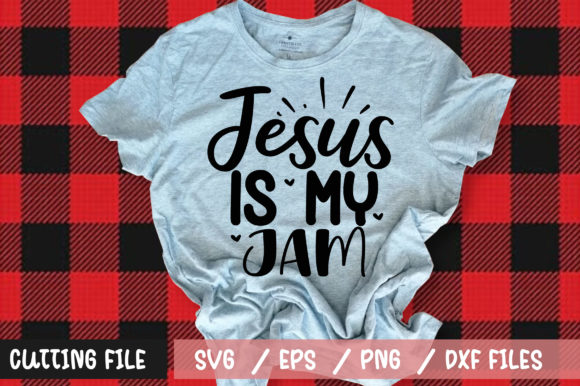
In the evolving landscape of visual design, a single typographic statement can define an entire brand experience. Jesus is My Jam SVG has emerged as a standout creative asset for designers working at the intersection of modern aesthetics and expressive branding. Whether you are crafting a youth ministry logo, designing a line of faith-based merchandise, or building a cohesive social media presence, this versatile vector file offers the visual punch and technical flexibility that modern projects demand.
From a professional graphic design perspective, the real power of a phrase like “Jesus is My Jam” lies in its ability to bridge personal expression and visual communication. But the asset itself, delivered as an SVG, brings critical technical advantages. SVGs are inherently scalable—they retain crisp edges and sharp typography whether displayed on a 65-inch display or a small mobile screen. This makes them indispensable for brand identity systems that need to perform consistently across digital marketing materials, web design, and large-format print design.
Practical Applications for Faith-Focused Visuals
Integrating a carefully designed typographic SVG into your workflow can elevate a wide range of creative projects. Here are just a few ways to apply this type of asset effectively:
- Branding & Logo Design: Use it as a core wordmark for a contemporary church or faith-based organization aiming for a relatable, modern voice.
- Social Media Graphics: SVG exports perfectly for Instagram stories, YouTube thumbnails, and Facebook banners where visual hierarchy and readability are paramount.
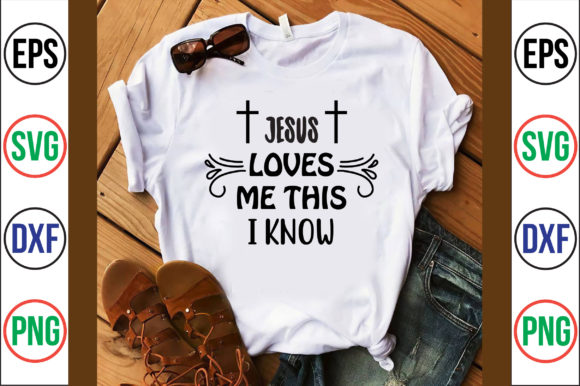
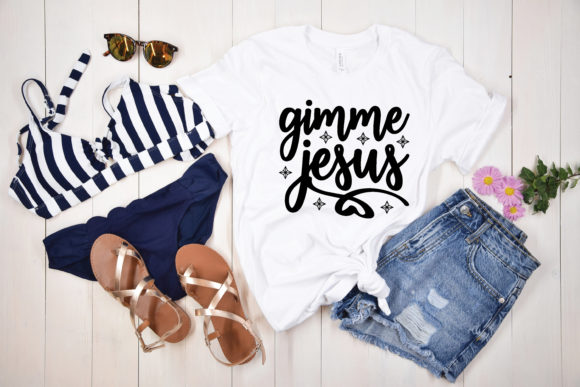
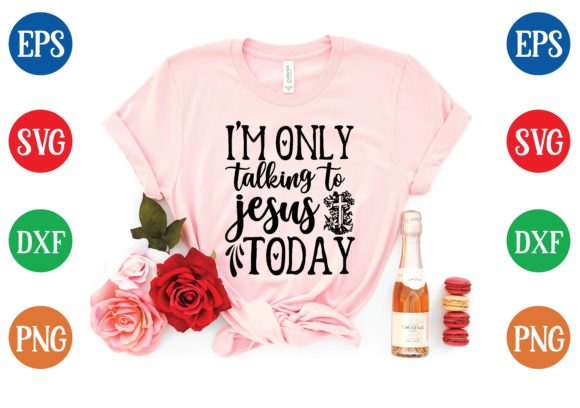
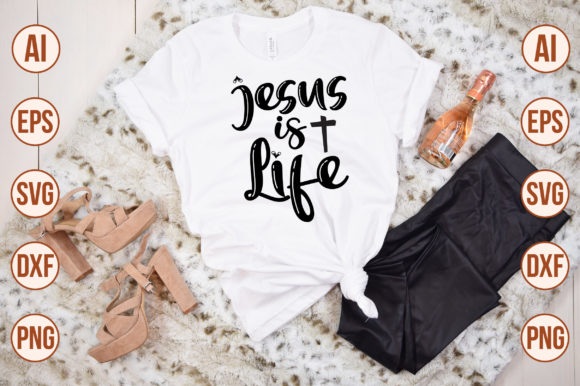
- Merchandise: From t-shirts to tote bags, the clean vector lines ensure a professional, screen-ready result for print-on-demand services.
- Website & UI Design: Because SVGs render natively in browsers, they load quickly and maintain perfect anti-aliasing, contributing to a polished user experience (UX) and fast load times.
Enhancing Editorial and Presentation Layouts
Beyond standard branding, a high-quality typographic SVG serves as an excellent anchor in editorial design and presentations. It can break up dense blocks of text, add personality to a sermon slide deck, or act as a hero element in a digital newsletter. The key is maintaining balance—letting the bold typography breathe by surrounding it with ample negative space and a complementary color palette.
Integrating the Asset into Your Creative Workflow
Successfully using a prominent typographic design element boils down to strategic placement and compositional harmony. Here are some professional tips for getting the most out of your creative assets:
- Consistency is Key: Ensure the style of the SVG aligns with your existing brand identity. Does it match your current visual design language? If your brand is minimalist, let this typeface take center stage against a clean background.
- Mind Your Color Palette: While you can easily recolor an SVG, consider the emotional weight of the hues. A vibrant palette might suit a youth-oriented campaign, while a muted, earthy palette could align better with a liturgical season.
- Respect Visual Hierarchy: This phrase is a statement. Use it as your primary focal point and build supporting text and imagery around it without cluttering the composition.
Current design trends heavily favor authentic, hand-crafted typography that feels personal rather than corporate. Assets that mimic screen-printed textures or hand-lettered strokes bring a human warmth to digital interfaces. When you select a vector file, you're preserving that organic feel while gaining the technical flexibility to use it across any medium—from UI design to packaging design.
Another crucial factor in professional branding is understanding your audience. A design asset like this speaks directly to a specific community. For designers working with churches, nonprofits, or faith-based lifestyle brands, it provides an immediate visual shorthand for shared values. The design inspiration here serves a dual purpose: it connects emotionally while maintaining the high standards of modern aesthetics that audiences expect from polished digital content.
Scalability, Readability, and Technical Excellence
From a technical standpoint, the SVG format is non-negotiable for professional work. Unlike raster images, SVGs are code-based vector files that scale infinitely. This ensures that the delicate curves and precise kerning of your typography remain intact from packaging design to mobile app interfaces. When evaluating a typographic SVG, always check the paths—clean, minimal node structures mean smoother editing in software like Adobe Illustrator or Figma.
When working within a design workflow, time is often the most valuable currency. An immediately usable SVG eliminates the need to rebuild custom typography from scratch. You can drop it directly into a mockup, adjust the color palette with a single CSS edit or a fill change in your vector editor, and export it for any application. This efficiency is crucial for creative projects with tight turnarounds, allowing you to maintain a high-quality professional presentation without sacrificing speed.
Ultimately, the most effective graphic design doesn't just look good—it communicates with clarity and purpose. By thoughtfully incorporating versatile creative assets like the Jesus is My Jam SVG, designers can streamline their workflow, maintain consistency across platforms, and deliver work that stands out for its quality and intentionality. Whether you are building a full brand identity or simply refreshing a social media template, investing in professional-grade vector typography is a decision that elevates the entire design.