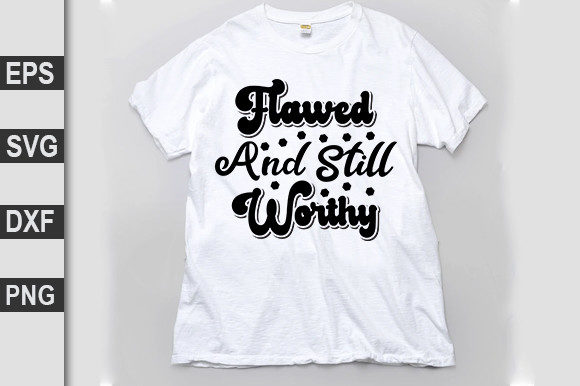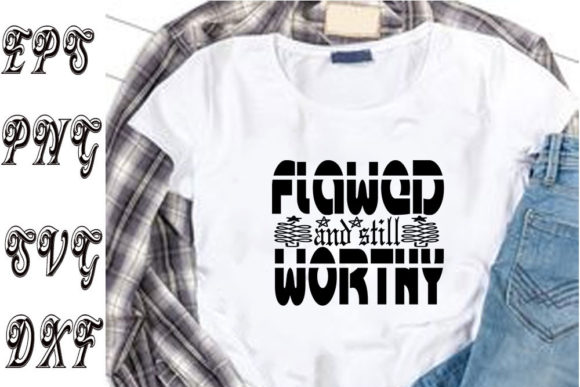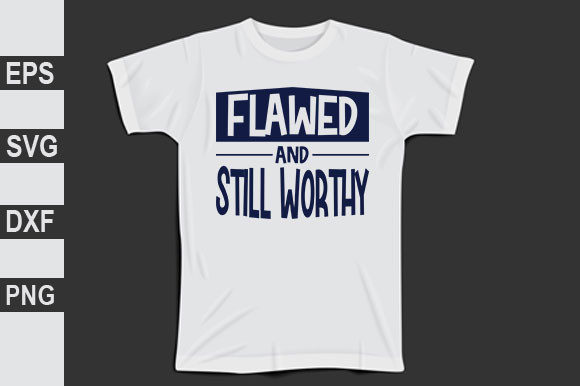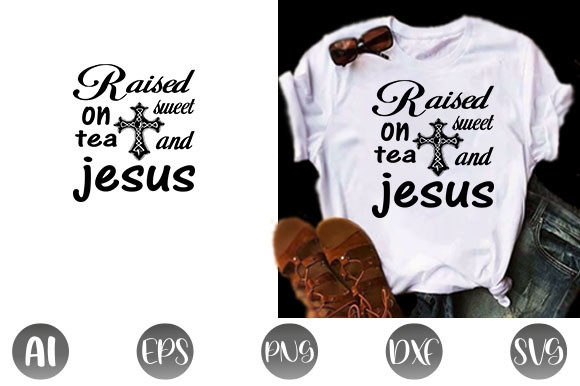
Jesus SVG Design: Flawed and Still Worth
There is a quiet power in admitting imperfection. In the world of digital art and faith-based graphics, a unique niche has emerged: Jesus SVG Design, Flawed and Still Worth. At its core, this concept embraces the idea that spiritual imagery doesn’t have to be polished, perfect, or pristine. Instead, it celebrates the raw, the broken, and the unfinished—reflecting a deeper theological truth that worth is not dependent on flawlessness. Whether you are a graphic designer, a church volunteer, or a small business owner looking for meaningful content, understanding this approach can open new creative doors.
The phrase itself might sound like a contradiction. Why would anyone intentionally create an SVG of Jesus that appears flawed? The answer lies in authenticity. Many people resonate with depictions of Jesus that acknowledge struggle, weariness, and humanity. An SVG (Scalable Vector Graphic) is a versatile file format, and when designed with intentional imperfections—cracks in the background, rough brush strokes, or asymmetrical lines—it can communicate grace in a way that sterile, perfect images cannot. This article explores what this design philosophy means, why it matters, and how you can use it in real life.
What Does “Flawed and Still Worth” Really Mean?
The core message is simple: value is not erased by imperfection. In Christian theology, this is a foundational idea—every person is flawed yet still loved and worthy. Transferred to visual design, it means creating images of Jesus that show cracks, tears, or unfinished edges, yet remain beautiful and meaningful. This is not about sloppiness; it is about intentional imperfection as a form of honesty.
An SVG file is code-based, so it can be scaled infinitely without losing quality. When artists apply a “flawed” aesthetic, they might use distressed textures, hand-drawn lines, or subtle color variations. The result is an image that feels personal, approachable, and real. Instead of a distant, airbrushed Savior, you get a depiction that seems to have weathered life—just like the people who view it.
Key Characteristics of Flawed Jesus SVG Designs
- Textured surfaces: Rough edges, grain overlays, or brushstroke effects that mimic physical wear.
- Asymmetry and irregularity: Slightly uneven proportions or lines that suggest handcrafted art rather than machine precision.
- Subtle imperfections: Faded colors, small gaps in outlines, or intentional “mistakes” that add character.
- Emotional tone: Often a somber, compassionate, or weary expression on Jesus’ face, rather than a triumphant or stoic one.
These designs are not meant to diminish the divine, but to make it more accessible. They remind viewers that brokenness does not disqualify someone from being cherished—a message that resonates deeply with many adults navigating their own flaws.
Why People Are Drawn to This Design Style
The appeal cuts across several groups. For beginners creating their first faith-based project, a flawed design can be less intimidating than a hyper-realistic portrait. It gives permission to experiment without fear of getting it “wrong.” For professionals and educators, these SVGs serve as conversation starters about grace, redemption, and the beauty of imperfection.
Entrepreneurs and small business owners who sell Christian merchandise often find that products featuring this aesthetic stand out. In a market saturated with glossy, perfect imagery, a cracked or weathered Jesus graphic feels honest. It aligns with the “real life” vibe that many consumers seek today, especially among millennials and Gen Z who value authenticity over polish.
Bloggers and content creators use these SVG designs to illustrate posts about failure, forgiveness, or hope. Instead of a generic cross or stock photo, a flawed Jesus SVG adds emotional weight. It visually supports messages like “still loved despite our cracks” or “you are worthy even when broken.”
Common Goals and Needs This Design Addresses
- Expressing personal faith in a relatable way: Many people want spiritual imagery that matches their own experiences of struggle and redemption.
- Creating unique, memorable branding: Churches, ministries, and faith-based businesses can differentiate themselves with a distinctive visual language.
- Teaching difficult concepts: Educators and pastors use flawed imagery to illustrate theological ideas about suffering, weakness, and divine love.
- Connecting with an audience who feels “not good enough”: The design directly speaks to those who feel flawed themselves, offering reassurance.
Practical Uses Across Different Contexts
The versatility of SVG files means you can incorporate this design style into many projects. Below are realistic examples that show how beginners and professionals alike can put the concept to work.
Personal Creative Projects
If you enjoy crafting or digital scrapbooking, a flawed Jesus SVG can become the centerpiece of a prayer journal, a custom t-shirt, or a wall art print. For instance, you could use a distressed portrait of Jesus on a canvas bag, paired with a quote like “Broken but Beloved.” The SVG format allows you to resize it to any dimension without pixelation, so it works equally well on a phone wallpaper and a 24x36 poster.
Hobbyists who use laser engravers or vinyl cutters will appreciate how SVGs handle complex edges. Even a design with intentional cracks can be cut cleanly on a Cricut or Silhouette machine. The slight irregularities add handmade charm to mugs, wood signs, and notebooks.
Professional and Ministry Settings
Churches and Christian nonprofits often need graphics for sermon series, social media, or printed bulletins. A flawed Jesus SVG can visually anchor a series on topics like “Grace for the Undeserving” or “Strength Through Weakness.” Instead of hunting for royalty-free photos that feel generic, you can build a consistent visual theme across all platforms.
For marketers and small business owners, this design style can be part of a product line that includes apparel, home decor, and digital downloads. Many customers specifically search for faith-based art that feels “real.” By offering SVGs that embrace imperfection, you tap into an underserved niche. You can also bundle multiple flawed designs into a set for crafters, which is a popular product on marketplaces like Etsy.
Educational and Digital Contexts
Teachers and catechists can use flawed Jesus SVGs in lesson materials to illustrate parables about lost sheep, prodigal sons, or the woman at the well. The image itself becomes a teaching tool: “Why would the artist leave cracks in the face of Jesus? What does that tell us about how God sees us?” Such discussions engage students on a visual and emotional level.
Bloggers and writers can embed the SVG directly into their websites. Because SVGs are code-based, they load quickly and scale responsively. You can even animate parts of the design using CSS or JavaScript, making the “flawed” elements gradually appear—an interactive way to convey the theme of redemption over time.
Important Considerations Before Choosing or Using These Designs
Before you commit to using a flawed Jesus SVG, there are a few practical and conceptual points to keep in mind. First, consider your audience. While many appreciate the raw aesthetic, some viewers might interpret intentional cracks or rough lines as disrespectful. It helps to frame the design within a clear message, especially in contexts like church worship or formal materials. A short caption or explanation can prevent misunderstandings.
Second, evaluate the technical quality of the SVG. Not all “flawed” designs are created equal. Some may have overlapping paths, unclosed curves, or too many anchor points, which can cause problems in cutting machines or web browsers. Look for SVGs that are well-structured, with clean code even if the visual appearance is distressed. Many professional designers sell premium SVGs that balance intentional imperfection with technical reliability.
Third, think about your brand or personal style. If your overall aesthetic is sleek and modern, a heavily cracked Jesus SVG might clash. However, you can find designs that are only subtly flawed—like a gentle watercolor edge or a faint grain texture. Matching the level of imperfection to your existing look is key.
Finally, respect copyright and licensing. Many SVG artists sell commercial licenses if you plan to use the design on products for sale. If you are using free designs, always check the terms. Giving credit where due is both ethical and supports the creators who pour heart into this niche.
Getting Started with Flawed Jesus SVGs
If you are new to SVGs, begin by browsing online marketplaces like Creative Market, Etsy, or even free repositories (with caution). Look for terms like “distressed Jesus SVG,” “vintage faith graphics,” or “imperfect religious art.” Download a few test files and open them in a vector editor like Inkscape (free) or Adobe Illustrator. Try scaling them up and down, changing colors, or adding your own text.
For a beginner-friendly project, create a simple digital wallpaper for your phone. Open the SVG in a design app, adjust the size to your screen resolution, and export as a PNG. Place it on your home screen. Every time you see the flawed image, let it remind you that worth persists through cracks. That is the heart of this design movement—embracing what is broken and still declaring it valuable.
Whether you are crafting for yourself, building a business, or teaching a class, Jesus SVG Design, Flawed and Still Worth offers a fresh perspective. It challenges the notion that faith imagery must be flawless to be powerful. Instead, it invites us to see beauty in the incomplete, hope in the frayed edges, and worth in every flawed detail.