Love Like Jesus SVG T-Shirt Design: From Concept to Everyday Wear
Creating a t-shirt that carries a meaningful message requires more than just a catchy phrase. The Love Like Jesus SVG t-shirt design has gained traction among individuals, small faith-based businesses, and creative entrepreneurs who want to merge personal conviction with wearable art. At its core, this design is a digital file that combines typography, iconography, or symbolic elements centered around the call to love others as Jesus did. But understanding how to actually use it, integrate it into your workflow, and get the best results is what separates a one-time project from a repeatable process.
What Love Like Jesus SVG T-Shirt Design Actually Is
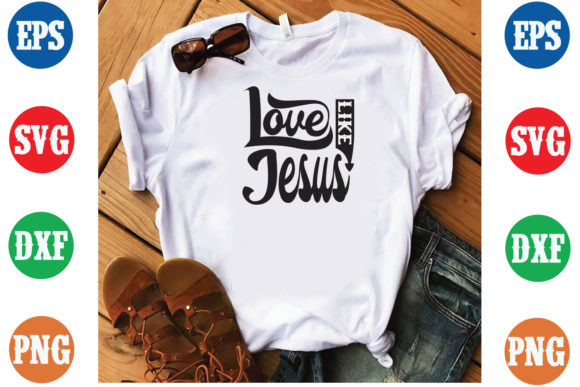
An SVG, or Scalable Vector Graphic, is a file format that allows you to resize a design infinitely without losing quality. For a t-shirt design, this means the artwork stays crisp whether it is printed on a toddler-sized tee or a 3XL hoodie. The Love Like Jesus SVG design typically features the phrase Love Like Jesus in a stylized layout, often paired with symbols like a cross, heart, crown of thorns, or simple line art that reinforces the theme. Some variations include scripture references, minimalist crosses, or abstract representations of grace and service.
What makes this format practical is its versatility. You can use it with a cutting machine like a Cricut or Silhouette to create iron-on vinyl transfers, or you can send it directly to a print-on-demand partner for direct-to-garment printing. For someone running a small shop or managing a church group order, having a single SVG file that works across multiple production methods saves time and reduces rework.
Where It Fits in a Broader Creative Workflow
If you are a designer, marketer, or small business owner, you likely already have a process for turning an idea into a finished product. The Love Like Jesus SVG t-shirt design fits into the asset creation phase of that process. You start with a concept, refine the message, then produce the artwork. The SVG file is the deliverable that bridges idea and production.
Before you start, you need clarity on the audience and the context. Is this for a church retreat, a fundraising event, or a personal faith-based brand? The design itself might stay the same, but the way you prepare the file, choose the color palette, and select the garment blank will vary depending on the use case. Planning these decisions before you open your design software prevents wasted materials and awkward revisions later.
During production, the SVG file interacts with other tools: vector editing software like Adobe Illustrator or Inkscape, cutting machine software, and print-ready file converters. If you are using a heat press, you will also need to consider material compatibility, temperature settings, and weeding time. Each of these steps has its own preparation requirements, and the better your original SVG is structured, the smoother every downstream process becomes.
Practical Integration Before, During, and After a Project
Let me walk through how this design can be integrated into real workflows. I have seen it used in three distinct phases, and each phase has its own best practices.
Before the Project: Planning and Preparation
If you are preparing a Love Like Jesus SVG t-shirt design for an upcoming event, start by confirming the production method. For vinyl cutting, you want a file with clean, separated paths and no overlapping elements. For screen printing or DTG, you need a high-resolution PNG export and possibly a separate layer for each color. If you are sourcing the design from a marketplace, verify the file includes both SVG and PNG formats, and check that the license allows commercial use if you plan to sell the shirts.
I recommend creating a simple checklist before you purchase or download any design: confirm the format, check the scalability, review the license terms, and test the file in your software. This upfront attention to compatibility prevents the frustration of a design that looks great on screen but fails to cut or print properly.
During the Project: Execution and Quality Control
Once you open the SVG in your design software, inspect the layers. A well-constructed file will have each element on its own layer, making it easy to adjust colors, resize text, or swap out icons. If the design is single-color, you can cut it directly. If it has multiple colors, you will need to separate them into individual cut files or flatten them for DTG printing.
When using a cutting machine, pay attention to the size. A design intended for a 12-inch by 12-inch mat might need resizing for adult sizes versus youth sizes. Test a sample cut on inexpensive material before committing to a bulk run. This quality control step catches issues like thin lines that fail to weed properly or small text that becomes illegible at certain sizes.
If you work with a print-on-demand provider, upload the SVG as a vector file whenever the platform allows. Vector files give the printer more flexibility to adjust resolution and color without quality loss. For platforms that require raster files, export at 300 DPI with the dimensions matching your largest garment size.
After the Project: Organization and Reuse
Once your shirts are produced, the SVG file still has value. Archive it in a well-organized folder with a descriptive filename that includes the design name, date, and intended use. For example, love-like-jesus-svg-single-color-2025 makes it easy to find later. If you modify the design for a different event, save the new version as a separate file to avoid confusion.
I have found that many small business owners overlook this archiving step. Six months later, when someone requests the same design for a youth camp, they end up hunting through downloads or recreating the file from scratch. A simple naming convention and folder structure save hours over time.
How It Interacts with Other Tools, Methods, and People
No t-shirt design exists in isolation. The Love Like Jesus SVG interacts with your design software, cutting machine, heat press, printer, and possibly a fulfillment partner. Each of these touch points has its own requirements. For example, some cutting machines prefer SVGs with a specific coordinate system, while others handle mixed shapes poorly. Testing your file early in the process prevents surprises.
If you are collaborating with a team, the SVG format is also a good choice because it is widely supported. A volunteer can open it in free software, make minor adjustments, and pass it along to the person running the heat press. This reduces dependency on any one person having specialized software skills.
For those who sell designs on marketplaces like Etsy or Creative Market, the Love Like Jesus SVG is a product category with consistent demand. Buyers often look for designs that are ready to use, clearly described, and backed by good customer support. If you are a seller, providing usage tips, recommended materials, and a short tutorial video builds trust and reduces support questions.
Implementation Tips That Save Time and Reduce Errors
Here are a few observations from working with SVG t-shirt designs in real production environments.
- Simplify the file before cutting. Remove any unnecessary nodes, merge overlapping shapes, and convert text to paths. This reduces the chance of the cutting machine misreading the file and produces cleaner edges.
- Choose your garment wisely. A high-contrast design like Love Like Jesus in white on a dark shirt reads well from a distance. On a light shirt, consider a dark gray or navy ink for subtle readability. The SVG file itself is color-agnostic, but the color choices you make during setup affect the final impact.
- Weed strategically. For designs with small text, weed the negative space first, then remove the larger background areas. This technique keeps the delicate parts stable on the mat.
- Test adhesion and washability. After pressing the first shirt, wash it according to the manufacturer's instructions and check for peeling or cracking. This is especially important if you are producing shirts for sale or for a group event, because your reputation depends on durability.
- Keep a master copy. Store an unmodified version of the original SVG file separately from any working copies. If you ever need to start over, you have a clean starting point.
Long-Term Use and Consistency
The Love Like Jesus SVG t-shirt design can be a recurring asset in your workflow if you treat it as part of a broader brand or ministry identity. For example, you might use the same core design on t-shirts, hoodies, tote bags, and hats. Because the SVG is scalable, you can adapt it to different products without re-creating the artwork each time. This consistency builds recognition and reinforces the message across multiple touch points.
If you run a faith-based apparel shop, consider creating a small library of SVG designs that share a similar visual style. Customers who purchase one design are more likely to return if they know your products have a consistent look and reliable quality. This is where the process-oriented approach pays off: every time you produce a shirt, you refine your setup, your material choices, and your workflow, making the next batch faster and more predictable.
On the personal side, someone using this design for a small group or family event benefits from the same efficiency. Once you have the file prepared, you can produce multiple shirts in a single afternoon with consistent results. The preparation work you do upfront directly affects how smoothly that session runs.
Observations on Readability and Emotional Impact
A design like Love Like Jesus carries both a visual and a emotional weight. The typography you choose, the placement on the shirt, and the color palette all influence how the message is received. A bold sans-serif font on a center chest placement feels assertive and modern. A script font paired with a small cross near the sleeve feels more personal and subtle. The SVG format lets you experiment with these variables quickly because you can change the font, resize elements, and reposition them without starting from scratch.
I have noticed that designs with a clear visual hierarchy do better in group settings. When a person reads the shirt from across a room, the main message should be legible at that distance. Secondary elements, like a verse reference or decorative icon, can be smaller and closer to the hem or sleeve. Planning this hierarchy in the SVG file saves you from making last-minute adjustments during production.
Making It Part of Your Routine
To integrate the Love Like Jesus SVG t-shirt design smoothly into your own work or creative practice, start with one small batch. Choose a single color, a reliable garment blank, and a simple placement. Run through the entire workflow from file prep to final press, noting where you encounter friction. Then refine your process for the next batch. Over time, you will develop a rhythm that feels efficient and repeatable.
If you sell these designs, listen to customer feedback. Buyers often mention what they wish the file included or what confused them during use. Use that input to improve your product descriptions, add helpful file variations, or create a short guide that anticipates common questions. This kind of iterative improvement aligns with the practical mindset that makes SVG designs such a useful tool in the first place.
The Love Like Jesus SVG t-shirt design is more than a digital file. It is a starting point for a process that connects a meaningful message with the people who will wear it. By treating it as part of a broader workflow, you save time, reduce waste, and produce shirts that look professional and last through many washes.