Wanna Taco Bout Jesus: Creative Ideas and Practical Uses
Some phrases stop you mid-bite. Wanna Taco Bout Jesus does exactly that. It is a playful pun that combines two universally relatable things—food and faith—into a single, disarming invitation. Whether you have seen it on a t-shirt, a tote bag, a bumper sticker, or a social media post, the phrase works because it lowers defences. It suggests that talking about something meaningful can happen over something informal, like a shared meal. This article explores what makes this concept interesting and how you can adapt it for your own creative or professional projects.
Why the Concept Works
The genius of Wanna Taco Bout Jesus lies in its tone. It is not confrontational. It does not assume prior knowledge or agreement. Instead, it offers a gentle, humorous entry point into a topic that many people find heavy or intimidating. The wordplay signals that the conversation will be light, genuine, and open-ended. For creators and communicators, this is a valuable lesson: the way you frame a message often determines whether people will engage with it at all.
From a branding perspective, the phrase is memorable. It is short, rhythmic, and visual. It invites curiosity. Even someone who does not share the underlying faith perspective might smile at the creativity. That breadth of appeal makes it a strong foundation for a wide range of applications.
Creative Directions and Applications
If you are a designer, blogger, small business owner, or content creator, you can take the spirit of Wanna Taco Bout Jesus and build something that fits your audience. Below are several approaches, each suited to different goals and platforms.
Merchandise and Apparel
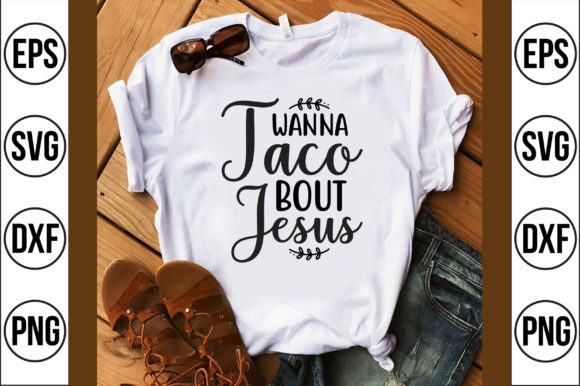
T-shirts, hoodies, caps, and tote bags are the most obvious applications. The phrase works best when the typography and visuals reinforce the pun. Consider a taco illustration with a subtle cross, or a shell-shaped speech bubble containing the words. Keep the design clean and balanced. Too many elements will dilute the impact. For a premium feel, use a single colour on a neutral background. Your audience will appreciate the restraint—it makes the item wearable in casual settings without shouting.
If you sell through an online store, offer variations: a bold version for younger buyers, a minimalist version for professionals, and a vibrant version for Instagram-friendly unboxing moments. Each variant can target a slightly different segment while staying true to the core idea.
Social Media Content
The phrase is tailor-made for short-form platforms. On Instagram, a carousel post could feature “Three tacos, three questions about faith” or “Taco toppings and life lessons: a pairing guide.” On TikTok or Reels, a one-minute video showing someone assembling a taco while casually sharing a thought about forgiveness or gratitude can feel authentic and relatable. The key is to avoid a preachy tone. Let the taco be the hook, and let the message emerge naturally.
For bloggers and writers, a series of posts under the umbrella title Wanna Taco Bout Jesus can explore different themes each week: community, patience, purpose, or doubt. Each post opens with a taco metaphor and then gently deepens into reflection. This format gives regular readers something to look forward to while keeping the content consistent and accessible.
Event or Group Concepts
Hosting a small gathering? The phrase works beautifully as an event name. “Taco Tuesday: Wanna Taco Bout Jesus?” Immediately, the event sounds low-pressure, social, and family-friendly. Provide tacos, let people sit in small groups, and offer three or four conversation starters on folded cards. The goal is not to debate but to listen and share. Many people are open to spiritual conversations when the setting feels safe and the food is good.
For churches or community organisations, this can be a monthly outreach that builds genuine relationships over time. The repeat attendance often depends less on the topic and more on the atmosphere. Keep the format flexible: some nights might focus on a specific question, others on a short story or a piece of music. The taco theme ties it all together without feeling forced.
Adapting for Different Audiences and Contexts
Not every audience will respond the same way to the phrase. Your role as a creator or communicator is to read the room and adjust the execution without losing the original spirit.
Faith-Friendly Groups
For an audience already comfortable with faith language, you can lean deeper. Use scripture references on the back of a t-shirt, or include a short devotional on a menu card. The humour still works, but the substance can be richer. This group will appreciate knowing you take both the food and the conversation seriously.
Skeptical or Curious Outsiders
Here, the taco metaphor is your biggest asset. Lead with the humour and the food. Let the faith content emerge indirectly. A social media post might say, “We are eating tacos and talking about things that matter. Come as you are. No pressure, no judgement.” The phrase becomes an invitation to explore, not a sales pitch. For this audience, consistency matters more than intensity. Show up, be genuine, and let trust build over time.
Creative Professionals and Freelancers
If you are a designer or writer working with a client who wants to use the concept, your job is to help them define the boundaries. Ask: Who is the primary audience? What outcome do you want? Where will this appear? From there, you can recommend colour palettes, typography styles, tone of voice, and platform-specific formats. Your value is in translating the playful idea into a coherent visual or verbal identity that does not confuse or alienate.
Practical Recommendations for Clear and Effective Results
Good intentions do not automatically produce good communication. To keep your project focused and audience-friendly, follow a few simple guidelines.
- Define one core message. The phrase is a container. Decide what you want to say beyond the pun. Is it about grace? Community? Honest questions? Pick one and build around it.
- Use consistent visuals. Whether you design a logo, a series of posts, or a product line, keep the colour palette, fonts, and illustration style consistent. This builds recognition and trust.
- Prioritise readability. On apparel or print materials, text should be legible from a few metres away. Avoid overly decorative fonts that sacrifice clarity for style.
- Test your tone. Show your draft to someone outside your circle. Ask them what feeling they get from it. If they say “friendly” or “curious,” you are on track. If they say “pushy” or “confusing,” revise.
- Plan for multiple touchpoints. A single post or product will not carry the idea far. Think about a small ecosystem: a t-shirt, a short video, a blog post, and an event. Each touchpoint reinforces the others without repeating exactly the same content.
Staying Original and Audience-Friendly
When a concept gains visibility, imitators appear. Your best defence against blending in is to deepen the connection with your specific audience. Do not try to be everything to everyone. If your community values humour, lean into that. If they value depth, offer substance alongside the smile. Originality comes from authenticity—showing up as yourself and serving the people who actually want what you offer.
One practical way to stay original is to capture real stories. If someone shares a meaningful moment during a Wanna Taco Bout Jesus gathering, ask permission to retell it (anonymously if needed). Real stories carry a weight that polished marketing cannot replicate. They also give you endless material for future content.
Keeping the Spirit Alive
At its heart, Wanna Taco Bout Jesus is about lowering barriers. It acknowledges that important conversations do not require formal settings or scripted speeches. They can happen over napkins stained with salsa, between bites and laughter. As you adapt this idea for your own work, hold onto that lightness. Your audience will sense whether you are inviting them in or trying to corner them. Stay open, stay generous, and let the tacos do part of the work.
Whether you are launching a product line, writing a newsletter, or planning a community night, the phrase gives you a starting point. From there, your own creativity and empathy will determine how far it goes. Keep the food real, the questions honest, and the conversation warm. That combination is hard to resist.