Welcome Back Jesus SVG: Creative Ideas & Uses
If you work with faith-based design or craft projects, you have likely seen the phrase “Welcome Back Jesus” appear in a variety of visual formats. The appeal of an SVG (Scalable Vector Graphic) with that exact message is immediate. It offers a clean, scalable file that can be used in digital designs, printed materials, physical crafts, and even merchandise. The meaning behind the words is powerful, but the creative potential of the file itself is what makes it a valuable asset for creators, designers, and anyone who wants to express a hopeful, welcoming message in their work.
This article explores what makes a Welcome Back Jesus SVG interesting to use, how different people can adapt the design, and practical ways to get the most out of the file. Whether you are a hobbyist with a cutting machine, a blogger building a brand, or a church volunteer preparing for a special service, you will find useful ideas and realistic examples here.
Understanding the Welcome Back Jesus SVG
An SVG file is essentially a set of mathematical instructions that draw shapes, lines, and text. Unlike a simple image, an SVG can be resized to any dimension without losing quality. This makes it ideal for everything from a small sticker to a large banner. When the design carries a message like “Welcome Back Jesus,” you get a versatile tool that works across many media.
What makes this particular message interesting is its dual nature. It is both a statement of faith and a call to community. In churches, it often appears during seasons of Advent, Lent, Easter, or special revival services. For personal use, it might be part of a home decor piece reminding the family of hope and reunion. Designers appreciate it because the phrase is short, memorable, and easy to arrange in a visually appealing layout. The typography can be bold, elegant, or playful, giving the design flexibility for different audiences.
Applications for Church and Ministry
One of the most natural places for a Welcome Back Jesus SVG is within church communications. Pastors, media directors, and volunteers often need fresh graphics for sermon series, outreach events, or holiday services. Instead of starting from scratch, an SVG file provides a ready-made layout that can be customized quickly.
Bulletin Covers and Flyers
Using the SVG in a church bulletin cover conveys a clear theme. Pair it with a simple background image, such as an empty cross or open doors, and adjust the text color to match the church’s branding. For a flyer announcing a “Welcome Back Sunday,” the SVG can be the main visual. Keep the composition centered, and ensure the words remain readable when printed in black and white.
Social Media Graphics
Platforms like Instagram, Facebook, and YouTube require quick visual impact. A Welcome Back Jesus SVG can be exported as a high-resolution PNG and overlaid on a photo of the congregation or nature scene. Adding a simple call-to-action like “Join us Sunday” works well. Because the SVG is vector based, you can resize it to fit any platform’s aspect ratio without losing sharpness.
Banners and Stage Backdrops
For in-person services, a large vinyl banner or fabric backdrop featuring the SVG gives the sanctuary a focused theme. Because the design is scalable, it can be printed at widths of several feet. Make sure the font chosen in the SVG has enough thickness to be legible from a distance. Most SVG editors allow you to increase stroke weight or switch to a bolder typeface.
Personal Faith Projects at Home
Creators and hobbyists often use a Welcome Back Jesus SVG for personal crafts. The file is especially popular among Cricut and Silhouette users who cut vinyl for signs, mugs, T-shirts, and more. The appeal is the ability to produce a professional-looking piece at home with minimal effort.
Home Decor and Wall Art
Framed canvas or wooden signs with the message make natural additions to entryways, living rooms, or prayer corners. Use adhesive vinyl in a color that contrasts nicely with the background. Metallic gold or silver on dark wood creates an elegant look. For a more rustic feel, use chalk-style vinyl on a painted barn wood background.
Custom Apparel
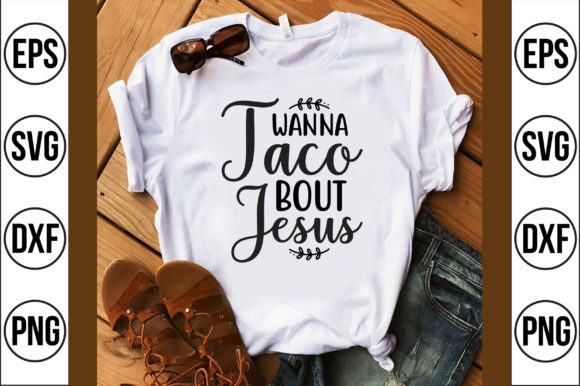
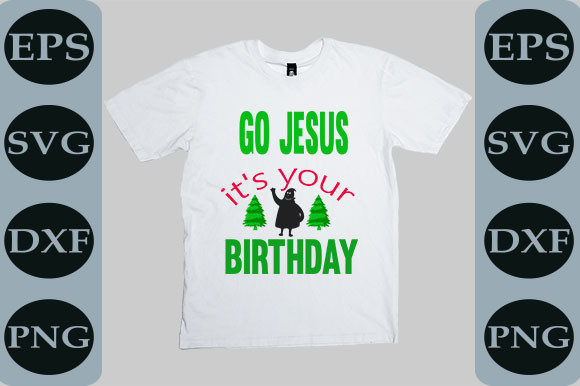
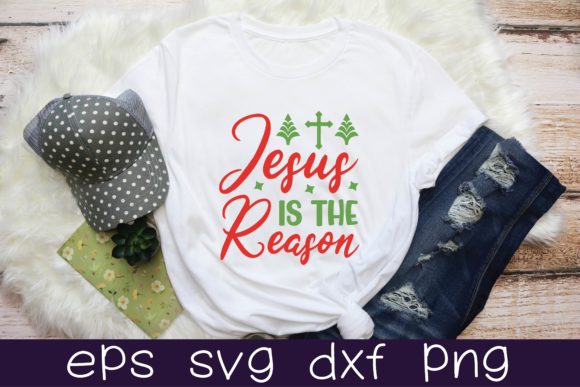
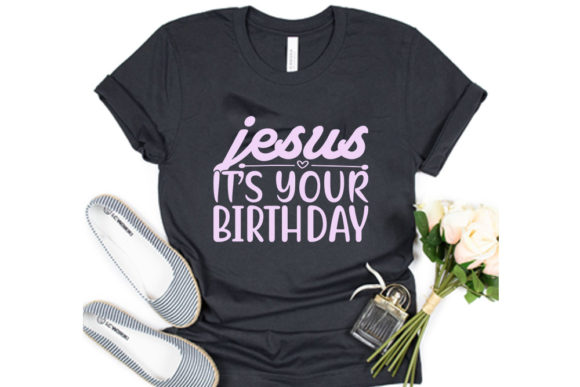
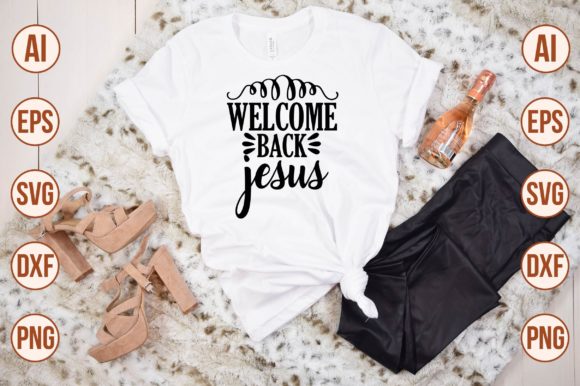
Heat transfer vinyl is perfect for applying the design to T-shirts, hoodies, or tote bags. A single large design on the front of a shirt works for casual wear or small group gatherings. You can also create small designs on the sleeve or pocket for a subtle statement. Follow the cutting machine’s instructions for mirroring the SVG before cutting heat transfer material.
Journals and Notebook Covers
If you keep a faith journal or make notebooks as gifts, a smaller version of the SVG can be placed on the cover. Use permanent adhesive vinyl or a stencil with fabric paint. The design’s clean lines make it easy to weed and transfer, even for intricate details.
Opportunities for Small Business Owners and Creators
Entrepreneurs selling on Etsy, Redbubble, or other print-on-demand platforms can benefit from a Welcome Back Jesus SVG. Because faith-based designs remain popular year-round, this specific message fits well in a larger collection. The key is offering variety and maintaining originality.
Design Variations
Create multiple versions of the SVG with different style approaches. One version could use a classic serif font with ornamental flourishes. Another could use a modern sans-serif with geometric shapes. A third might include floral elements or a cross integrated into the lettering. Each variation appeals to a different buyer: traditional, contemporary, or nature-inspired.
Product Mockups
Use the SVG to generate product mockups for wall art, mugs, pillows, and phone cases. Show the design applied to realistic lifestyle images so customers can imagine the item in their own space. Since the SVG is vector, you can quickly adjust the preview scale and position for each mockup.
Licensing and Originality
If you purchase a Welcome Back Jesus SVG from a creator, check the commercial use license. Some files allow unlimited commercial use, while others require attribution or a separate license. To stay original, avoid simply reselling the exact file. Instead, use it as a base to build your own unique product by modifying colors, adding background elements, or combining it with other design assets.
Tailoring the Design for Different Audiences
Not every audience responds to the same visual style. Adapting a Welcome Back Jesus SVG means considering who will see it and where.
Traditional Church Congregations
Older congregations or more formal denominations often prefer classic, readable typography. Avoid overly decorative fonts that sacrifice legibility. Stick to neutral colors like black, navy, or burgundy. A simple cross or dove icon placed near the text can add meaning without distraction.
Youth and Young Adult Groups
For a younger audience, consider more energetic styles. Use bold, italicized fonts, bright accent colors, and a modern layout. You can even add subtle gradients or shadows within the SVG if the intended output allows it (digital use vs. vinyl cut). The message stays the same, but the visual tone becomes fresh and inviting.
Interfaith or Community Contexts
If the design will be used in a broader community event, keep the message inclusive by focusing on the concept of welcome and hope. Use simple, approachable fonts and avoid adding too many religious symbols. A clean, minimal version of the text works well on flyers or social media posts for a neighborhood gathering.
Practical Tips for Working with Welcome Back Jesus SVG
Getting the best results from your SVG requires attention to a few technical details. These tips apply whether you are editing in Adobe Illustrator, Inkscape, or a machine software like Cricut Design Space.
- Check the layers. A well-organized SVG has text and elements on separate layers. This makes it easy to change the message or adjust individual parts without breaking the whole design.
- Test scaling. Shrink the file to the smallest intended size and check that all letters are clear. If the design includes thin lines, they may disappear at small sizes or when cut in vinyl. Widen strokes if necessary.
- Convert text to outlines. If you plan to share or sell the SVG, convert all fonts to outlines. This prevents font substitution errors and preserves the exact look of the typography.
- Consider file formats. For most cutting machines, an SVG works best. For print, you may also need a PDF or high-resolution PNG. Keep a master SVG and export other formats from it.
- Keep a clean design. Avoid unnecessary nodes or overlapping shapes, especially if the file will be used for cutting. Clean geometry makes weeding easier and improves the final product.
Keeping the Message Clear and Effective
No matter how creative you get with the design, the core message should always remain prominent. “Welcome Back Jesus” is a short phrase, but it carries weight. Ensure that viewers can read it instantly, even from a glance.
- Contrast is essential. Light text on a light background disappears. Use dark text on light surfaces and vice versa. For layered designs where the SVG is cut from one color and applied to another, choose complementary hues that stand apart.
- Less is often more. Adding too many graphic elements around the text can clutter the design. If you include a border, keep it thin. If you add icons, place them symmetrically and keep them small relative to the words.
- Test readability at various distances. A design that looks good on a screen may not work when printed on a 10-foot banner. Enlarge the font and simplify the shapes for larger applications.
- Use consistent spacing. Uniform kerning between letters and adequate line height between multiple lines of text make the design professional and readable.
Final Thoughts on Creative Application
A Welcome Back Jesus SVG is more than just a file. It is a starting point for countless projects, both personal and professional. For the hobbyist, it becomes a meaningful piece of home decor or a heartfelt gift. For the church volunteer, it saves time while still delivering a polished visual. For the entrepreneur, it opens doors to a niche market with consistent demand.
The best approach is to treat the SVG as a foundation. Modify it, adapt it to different formats, and always keep the audience in mind. Whether you are creating for a small group or an entire congregation, a well-executed design can make the message of welcome both seen and felt.